

Experienced Care Focused on the Cause
- Degree-qualified, HCPC-registered podiatrists
- More than 16 years of clinical experience
- Individual assessment before recommendations are made
- Conservative and specialist options where appropriate
- Advanced Footscan technology for relevant pressure or movement concerns
- Dedicated Curacorn®® assessments for suitable recurring lesions
- Clear advice on footwear, pressure management and ongoing care
Call: 01744 808 303
Email: enquiries@stepfirst.co.uk
What Are Corns & Calluses?
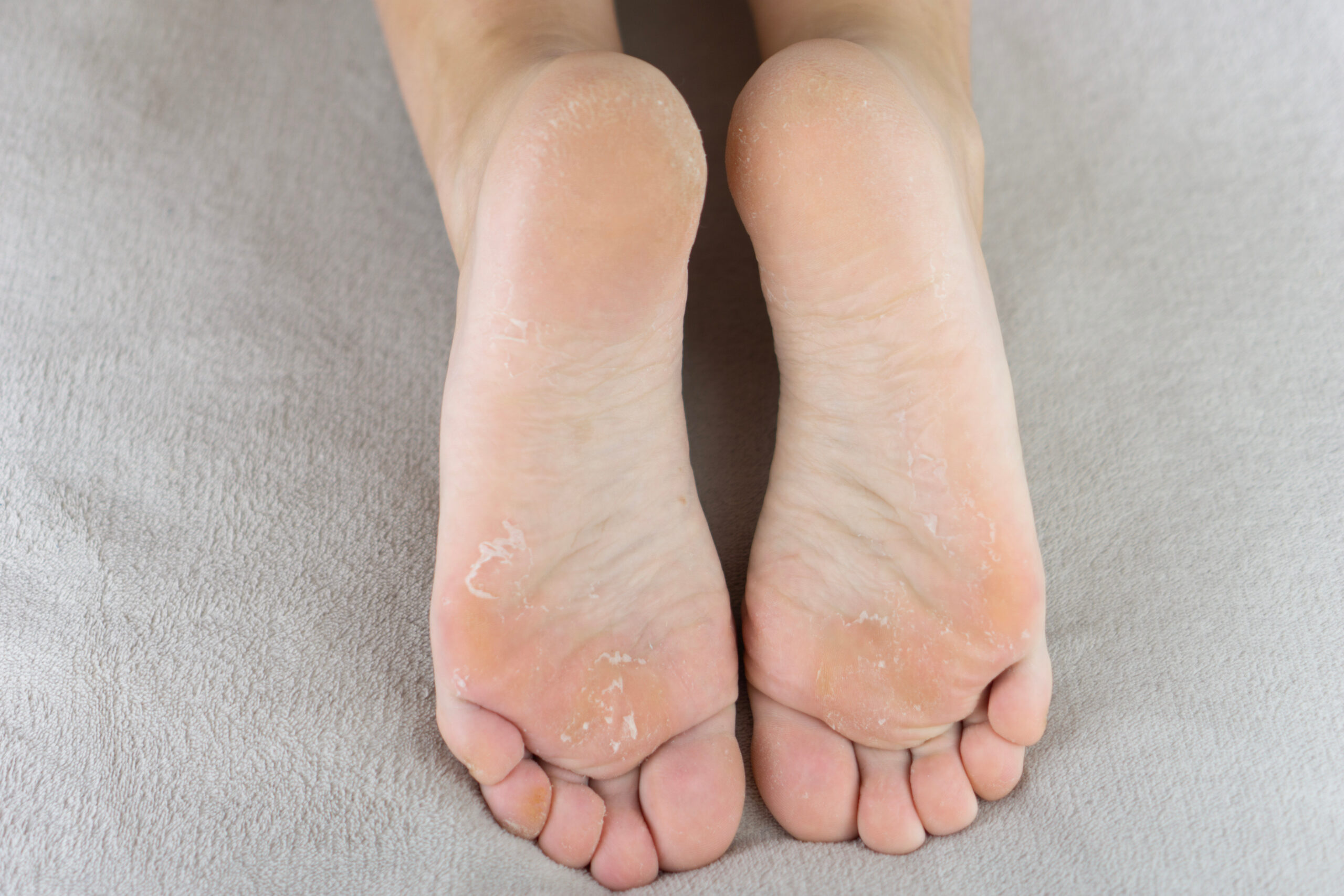
Both are areas of thickened skin that commonly develop in response to repeated pressure or friction.
A corn is usually smaller and more concentrated and may become painful under direct pressure. A callus generally covers a broader area and can feel thick or rough. The Royal College of Podiatry provides further guidance on pressure-related foot problems.
Common Signs & Symptoms
You may notice:
- Localised thick or hardened skin
- Pain or tenderness under pressure
- A Wider rough or hardened area
- Aching or burning when walking
- A Problem repeatedly returning in the same place
These symptoms can have different causes, so appearance alone should not be relied upon for diagnosis.
Possible Causes & Triggers
Common contributors include repeated friction, poorly fitting footwear, prominent areas of the feet and pressure created by foot structure or movement.
If a painful area keeps returning after previous care, identifying the source of that pressure can be important for longer-term management.
When To Seek Professional Advice
Consider professional assessment if the area is painful, repeatedly returns, affects walking or you are uncertain what it is.
You should take particular care with foot problems if you have diabetes, reduced sensation, circulation concerns, broken skin or signs of infection. Seek appropriate medical advice promptly if symptoms are worsening.
How We Help With Corns & Calluses
Our approach to treatment for corns and calluses in St Helens, Merseyside starts with assessing the affected area and considering why it has developed.
Depending on your findings, we may recommend:
- Professional reduction of hardened areas
- Pressure-relieving and footwear advice
- Ongoing podiatry care
- Further assessments and diagnostics
- Biomechanical investigation where repeated loading may be contributing
- Curacorn®® for selected recurring pressure lesions
Recommendations are based on your individual assessment rather than automatically directing you towards a specialist procedure.

Who May Benefit From Professional Care?
Professional treatment for corns and calluses in St Helens, Merseyside may be appropriate if:
- Pain is affecting walking, work or exercise
- The same area keeps returning
- Previous care provides only temporary relief
- Shoes repeatedly aggravate a pressure point
- You are unsure what the lesion is
- You want to understand how future pressure could be managed
Important Suitability & Safety Considerations
Not every thickened or painful lesion is the same. Verrucas and other conditions can sometimes resemble pressure-related problems, making professional assessment useful when the diagnosis is unclear.
Avoid cutting hardened areas yourself with blades or other sharp instruments. People with diabetes, reduced circulation or altered sensation should seek appropriate professional advice before attempting self-treatment.
Our podiatrists are registered with the Health and Care Professions Council and work within professional standards, including recognising when referral or additional assessment is appropriate.
Frequently Asked Questions About Corns & Calluses
What Is the Difference Between Them?
A corn is generally smaller and more concentrated, whereas a callus usually covers a broader area of thickened tissue. Both commonly develop in response to repeated pressure or friction.
Why Do They Keep Returning?
They may recur when the pressure or friction responsible remains. Footwear, foot structure and weight distribution can all contribute, which is why looking at the underlying cause may be useful.
Can Hardened Skin Be Removed?
Professional podiatry can include careful reduction of hardened tissue where appropriate. Your appointment can also identify contributing factors and provide advice on reducing ongoing pressure.
Could It Be Something Else?
Yes. Different foot lesions can sometimes look similar. If you are unsure, an assessment can help identify the problem and determine the appropriate next step.
When Is Curacorn®® Considered?
Curacorn®® may be considered for selected patients with recurring painful pressure lesions who require frequent management. A dedicated Curacorn® assessment determines whether it is appropriate.
Get Clear Advice About Recurring Foot Pain
If a painful hardened area keeps returning, treatment for corns and calluses in St Helens, Merseyside starts with understanding what is causing it. With more than 16 years of clinical experience, Step First Podiatry can assess the problem, explain suitable options and recommend specialist care only where appropriate.